What is the life expectancy of someone with Pancreatic cancer?
Life expectancy of people with Pancreatic cancer and recent progresses and researches in Pancreatic cancer

The life expectancy for pancreatic cancer is highly variable and depends significantly on the stage of the disease at diagnosis, the specific tumor subtype, and the patient's overall health. While historical statistics have been challenging, early detection and advancements in personalized oncology continue to improve survival rates and quality of life for those living with pancreatic cancer.
What factors influence the prognosis of pancreatic cancer?
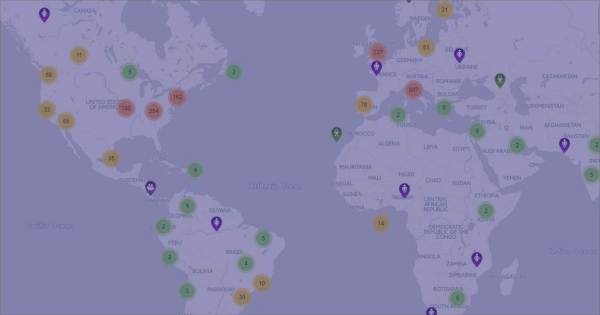
Prognosis in pancreatic cancer is deeply individualized. The most critical factor is the stage of the disease: whether the tumor is resectable (removable by surgery), locally advanced, or metastatic. Other variables include the genetic profile of the tumor, the patient’s performance status, and how well the body responds to multi-modal therapies like chemotherapy or targeted radiation. At DiseaseMaps.org, 32 community members are currently sharing their journeys, highlighting that every person’s experience with pancreatic cancer is unique.
How does early diagnosis change outcomes?
Early diagnosis of pancreatic cancer remains the most significant predictor of long-term survival. When pancreatic cancer is identified while still localized, surgical intervention offers the best opportunity for improved outcomes. Because symptoms are often subtle, clinical research is currently focused on identifying biomarkers that could allow for earlier detection.
What determines long-term survival rates?
Survival statistics for pancreatic cancer are based on large population averages and may not reflect an individual's specific circumstances. Key elements that medical teams monitor include:
- Tumor Stage: Localized disease versus systemic spread significantly alters the treatment approach.
- Treatment Response: Regular monitoring of how the cancer responds to systemic therapies.
- Nutritional Support: Maintaining physical strength through specialized pancreatic enzyme replacement therapy (PERT) and nutrition.
- Comorbidities: Managing other health conditions to ensure the body can tolerate aggressive treatment.
Why is quality of life as important as longevity?
For patients facing pancreatic cancer, clinical care focuses on more than just duration of life; it prioritizes "living well." Palliative care teams are now integrated early into pancreatic cancer treatment plans to manage pain, improve digestion, and support emotional well-being, ensuring that every day is lived with as much comfort and dignity as possible.
Next steps
- Consult with a multidisciplinary oncology team, specifically a hepatobiliary surgeon and a medical oncologist.
- Discuss molecular profiling of the tumor to identify potential targeted therapy or clinical trial options.
- Join the pancreatic cancer community at DiseaseMaps.org to connect with others who understand your experience.
Medical disclaimer: This information is for educational purposes only and does not constitute medical advice; please consult your physician for personalized clinical guidance.
References
- NIH National Cancer Institute (NCI) - Pancreatic Cancer PDQ
- American Cancer Society - Survival Rates for Pancreatic Cancer
- Pancreatic Cancer Action Network (PanCAN)
- PubMed/NCBI - Clinical Advances in Pancreatic Ductal Adenocarcinoma
Posted Sep 18, 2017 by Melissa 400