Short answer · Medically reviewed summary · Last updated: 2026-04-07
Living with Dermatomyositis and Polymyositis requires a multifaceted approach that balances medical management with psychological self-care to navigate the physical limitations and emotional unpredictability of these inflammatory muscle diseases. By integrating pacing strategies, building a robust support network, and focusing on mental resilience, individuals can maintain a meaningful quality of life despite the challenges of Dermatomyositis and Polymyositis. How does Dermatomyositis and Polymyositis impact mental health? Receiving a diagnosis of Dermatomyositis or Polymyositis is a significant life event that often triggers feelings of grief, anxiety, and isolation.
2 people with Dermatomyositis and Polymyositis have shared their first-person experience on this question at DiseaseMaps.
Living with Dermatomyositis and Polymyositis. How to live with Dermatomyositis and Polymyositis?
Living with Dermatomyositis and Polymyositis: how patients cope day to day and stay positive - real experiences and practical tips.

Living with Dermatomyositis and Polymyositis requires a multifaceted approach that balances medical management with psychological self-care to navigate the physical limitations and emotional unpredictability of these inflammatory muscle diseases. By integrating pacing strategies, building a robust support network, and focusing on mental resilience, individuals can maintain a meaningful quality of life despite the challenges of Dermatomyositis and Polymyositis.
How does Dermatomyositis and Polymyositis impact mental health?
Receiving a diagnosis of Dermatomyositis or Polymyositis is a significant life event that often triggers feelings of grief, anxiety, and isolation. Because these conditions are rare and characterized by muscle weakness, fatigue, and potential skin involvement, patients frequently struggle with the "invisible" nature of their pain. The unpredictability of flare-ups can lead to a sense of lost autonomy, making it essential to acknowledge that your emotional response is a normal reaction to a chronic, life-altering health challenge.
What are effective coping strategies for daily life?
Developing a "new normal" involves practical adjustments that help conserve energy while fostering a sense of purpose. Many patients in the community report that structured pacing—balancing activity with intentional rest—is the most effective way to manage the fatigue associated with Dermatomyositis and Polymyositis. Consider these practical strategies to improve your daily well-being:
- Energy Conservation: Prioritize high-value tasks and utilize assistive devices to reduce physical strain.
- Mindfulness and Acceptance: Practice grounding techniques during flare-ups to reduce the physiological stress response.
- Adaptation of Hobbies: Modify your favorite activities to match your current physical capacity rather than abandoning them entirely.
- Open Communication: Share your needs clearly with friends and family, explaining that your energy levels may fluctuate daily.
Why is peer support vital for those with Dermatomyositis and Polymyositis?
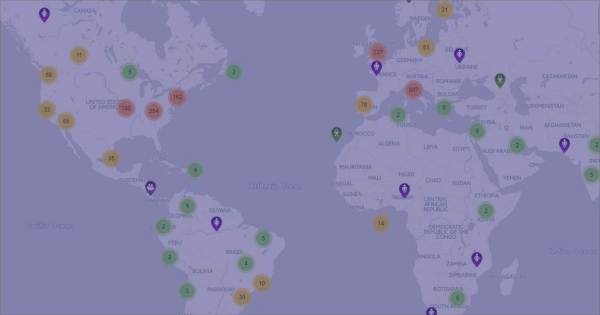
Connecting with others who truly understand the daily reality of Dermatomyositis and Polymyositis can be transformative. At DiseaseMaps.org, 413 people with Dermatomyositis and Polymyositis have joined the community to share their lived experiences, clinical tips, and emotional support. Peer networks provide a unique form of validation that medical professionals, however skilled, cannot replicate. Sharing your story in a community of 413 members helps dismantle the isolation that often accompanies rare autoimmune diseases.
When should I seek professional mental health support?
While some level of distress is expected, you should seek professional support if you notice persistent changes in your mood, sleep, or ability to function. If you feel overwhelmed by hopelessness, have difficulty managing the psychological burden of Dermatomyositis or Polymyositis, or find that your relationships are suffering, a therapist specializing in chronic illness can provide cognitive-behavioral tools to regain a sense of agency and resilience.
Next steps
- Join the 413-member community at DiseaseMaps.org to connect with others living with Dermatomyositis and Polymyositis.
- Consult with a rheumatologist to ensure your medical treatment plan is optimized, as physical stability is the foundation for mental health.
- Seek a referral to a clinical psychologist or counselor who specializes in chronic pain and rare disease management.
- Keep a daily journal to track your energy levels and emotional triggers, which can be useful for both self-reflection and medical consultations.
Medical disclaimer: This content is for informational purposes only and does not constitute professional medical advice, diagnosis, or treatment; always seek the advice of your physician or other qualified health provider with any questions regarding your medical condition.
References
- NIH Genetic and Rare Diseases Information Center (GARD): Dermatomyositis and Polymyositis resources.
- Orphanet: Rare disease database for inflammatory myopathies.
- The Myositis Association: Patient resources and community support.
- PubMed: Clinical literature on the psychosocial impact of idiopathic inflammatory myopathies.
Posted Mar 20, 2017 by Natalia 1070
Posted Sep 29, 2017 by Gislaine 1100