Short answer · Medically reviewed summary · Last updated: 2026-04-07
While there are persistent historical theories suggesting various historical figures may have had Porphyria, there are very few contemporary celebrities who have publicly confirmed a diagnosis of this rare group of metabolic disorders. The rarity and complexity of Porphyria mean that public awareness is primarily driven by dedicated patient advocacy groups and medical research foundations rather than celebrity disclosure. Why is there limited public disclosure of Porphyria by celebrities? Porphyria is a complex, often invisible, and highly heterogeneous condition, which can make public navigation of the illness challenging.
3 people with Porphyria have shared their first-person experience on this question at DiseaseMaps.
While there are persistent historical theories suggesting various historical figures may have had Porphyria, there are very few contemporary celebrities who have publicly confirmed a diagnosis of this rare group of metabolic disorders. The rarity and complexity of Porphyria mean that public awareness is primarily driven by dedicated patient advocacy groups and medical research foundations rather than celebrity disclosure.
Porphyria is a complex, often invisible, and highly heterogeneous condition, which can make public navigation of the illness challenging. Because it is a group of rare disorders—rather than a single disease—symptoms can range from severe cutaneous (skin) photosensitivity to acute neurovisceral attacks. Unlike more common chronic conditions, the lack of high-profile celebrity "ambassadors" means that public understanding of Porphyria remains limited. Most individuals living with these conditions prefer privacy due to the unpredictable nature of acute attacks and the intensive management required for long-term health.
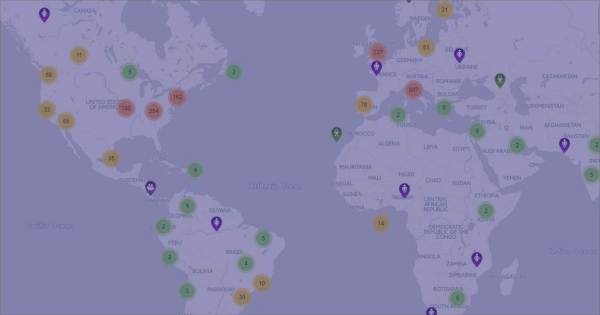
In the absence of widespread celebrity recognition, the global Porphyria community relies on specialized foundations and patient-led platforms to drive awareness. These organizations are vital for translating complex genetic and biochemical data into resources that patients and their families can understand. At DiseaseMaps.org, 289 people with Porphyria have joined our community, creating a vital network of peer support and shared experiential data that helps bridge the gap between clinical research and daily living.
Awareness campaigns focus on early diagnosis, as many patients endure years of misdiagnosis before receiving the correct Porphyria classification. Key objectives of these advocacy efforts include:
Several international organizations serve as the primary pillars for education and research support. These groups work directly with medical researchers to improve patient outcomes:
Medical disclaimer: This information is for educational purposes only and does not constitute professional medical advice, diagnosis, or treatment; always seek the advice of your physician with any questions regarding a medical condition.