Short answer · Medically reviewed summary · Last updated: 2026-04-07

Usher syndrome is a rare genetic condition characterized by the combination of hearing loss and progressive vision loss due to retinitis pigmentosa. While there are few mainstream celebrities who have publicly disclosed a diagnosis of Usher syndrome, the community is championed by high-profile advocates like Derrick Coleman, the first legally deaf offensive player in the NFL, and influential organizations that drive global awareness. Which public figures have raised awareness for Usher syndrome? While Usher syndrome remains an "invisible" disability to many, the public visibility of individuals living with sensory impairments has been instrumental in shifting the narrative.

2 people with Usher Syndrome have shared their first-person experience on this question at DiseaseMaps.

23

Celebrities with Usher Syndrome

Celebrities and famous people with Usher Syndrome, and how going public has raised awareness of the condition.

Celebrities with Usher Syndrome

Usher syndrome is a rare genetic condition characterized by the combination of hearing loss and progressive vision loss due to retinitis pigmentosa. While there are few mainstream celebrities who have publicly disclosed a diagnosis of Usher syndrome, the community is championed by high-profile advocates like Derrick Coleman, the first legally deaf offensive player in the NFL, and influential organizations that drive global awareness.


Which public figures have raised awareness for Usher syndrome?


While Usher syndrome remains an "invisible" disability to many, the public visibility of individuals living with sensory impairments has been instrumental in shifting the narrative. Derrick Coleman, who rose to fame as a professional athlete in the NFL, has been a powerful voice for the deaf and hard-of-hearing community. Although he does not carry the full diagnosis of Usher syndrome, his advocacy for those with hearing loss has paved the way for greater public understanding of sensory-related conditions. Furthermore, the community is defined by courageous advocates like Rebecca Alexander, a psychotherapist and extreme athlete who lives with Usher syndrome type III. Her memoir and public speaking have brought unprecedented attention to the daily realities of navigating a world with dual sensory loss.


How has advocacy impacted research and public perception?


The openness of advocates like Rebecca Alexander has significantly reduced the stigma surrounding the dual diagnosis of hearing and vision loss. By sharing their personal journeys, these individuals have helped the public understand that Usher syndrome is not merely a medical diagnosis, but a complex human experience. This increased visibility has translated into tangible benefits for the 214 members of the DiseaseMaps.org community and beyond, including:


  • Increased Research Funding: High-profile advocacy has helped secure grants for gene therapy research, specifically targeting the MYO7A and USH2A genes.

  • Media Representation: Documentaries and news features highlighting the lives of people with Usher syndrome have moved the needle on inclusive policy-making.

  • Clinical Trial Participation: Greater awareness has led to faster recruitment for clinical trials, as patients are more informed about the potential for future treatments.

  • Community Support: Public disclosure encourages newly diagnosed individuals to seek out support networks, reducing the isolation often felt after a diagnosis.


What organizations are leading the fight against Usher syndrome?


Several specialized foundations are the backbone of the global effort to support those with Usher syndrome. These organizations bridge the gap between clinical research and patient care. The Usher Syndrome Coalition acts as a central hub, connecting families, researchers, and clinicians to foster a collaborative environment. Additionally, global events like "Usher Syndrome Awareness Day," held annually on the third Saturday of September, serve as a critical catalyst for fundraising and education. These initiatives ensure that the 1 in 6,000 to 1 in 10,000 people estimated to have Usher syndrome receive the resources they need to thrive.


Next steps


  • Consult a specialist: If you or a loved one have symptoms, request a referral to a genetic counselor or a neuro-ophthalmologist for definitive testing.

  • Join the community: Connect with the 214 members on DiseaseMaps.org to share experiences and receive peer support.

  • Stay informed: Register with the Usher Syndrome Coalition’s patient registry to stay updated on emerging clinical trials and gene therapy research.

  • Advocate: Participate in local or virtual awareness events during Usher Syndrome Awareness Day to help educate your community.


Medical disclaimer: This content is for informational purposes only and does not constitute professional medical advice, diagnosis, or treatment; always seek the advice of your physician or other qualified health provider with any questions regarding a medical condition.


References


  • NIH Genetic and Rare Diseases Information Center (GARD): Usher Syndrome Overview.

  • Orphanet: Rare Disease Database (ORPHA:886).

  • The Usher Syndrome Coalition: Patient advocacy and global registry.

  • OMIM (Online Mendelian Inheritance in Man): Clinical synopsis for Usher syndrome variants.

Author: DiseaseMaps Editorial Team
Reviewed against authoritative medical sources (NIH GARD, Orphanet, OMIM)
Last updated: 2026-04-07
Medical disclaimer: This information does not substitute professional medical advice. Always consult your doctor before making health decisions.
Source: DiseaseMaps.org
3 answers
have to check and come back to this

Posted Jul 3, 2018 by Usher Initiative Austria
Ik ken er zelf helaas geen

Posted Jun 17, 2021 by Deborah 2500
Celebrities with Usher Syndrome

Usher Syndrome life expectancy

What is the life expectancy of someone with Usher Syndrome?

4 answers
Is Usher Syndrome hereditary?

Is Usher Syndrome hereditary?

3 answers
Is Usher Syndrome contagious?

Is Usher Syndrome contagious?

3 answers
ICD9 and ICD10 codes of Usher Syndrome

ICD10 code of Usher Syndrome and ICD9 code

3 answers
Natural treatment of Usher Syndrome

Is there any natural treatment for Usher Syndrome?

3 answers
Living with Usher Syndrome

Living with Usher Syndrome. How to live with Usher Syndrome?

4 answers
Usher Syndrome diet

Usher Syndrome diet. Is there a diet which improves the quality of life of ...

4 answers
History of Usher Syndrome

What is the history of Usher Syndrome?

3 answers

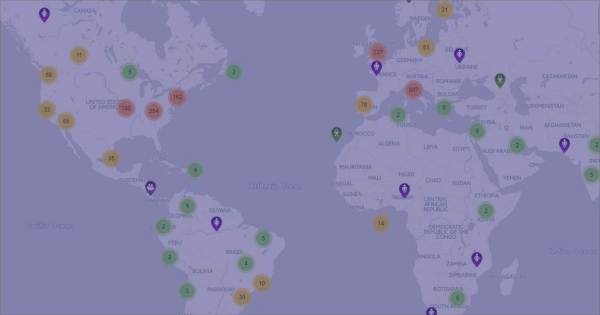
World map of Usher Syndrome

Find people with Usher Syndrome through the map. Connect with them and share experiences. Join the Usher Syndrome community.

Stories of Usher Syndrome

USHER SYNDROME STORIES
Usher Syndrome stories
DEAFBLIND RUNNER’S 100 RUN MEDALS CHALLENGE FACEBOOK PAGE   HELLO, I WOULD LIKE TO SHOW YOU MY FACEBOOK PAGE, DEAFBLIND RUNNER’S 100 RUN MEDALS CHALLENGE.   IT’S ABOUT DEAF & PARTIALLY SIGHTED (USHER SYNDROME) RUNNER, JAMES CLARKE, AGED 3...
Usher Syndrome stories
When I was twenty-one years old, I was diagnosed with Usher Syndrome Type II (part of the Retinitis Pigmentosa family). As a young adult, I had two passions: writing (both as a fiction writer and as a journalist) and sports. Once I received the diag...
Usher Syndrome stories
When I was first diagnosed with Usher type II it hit me hard. I was 18, working as a plumber and training to do gas work. I had grand plans to start up my own business and advertise to single mums and pensioners who did not want a man in the house. I...
Usher Syndrome stories
MEER WETEN? KLIK OP DE LINKS HIERONDER WANT TO KNOW MORE? CLICK THE LINKS BELOW (IT'S IN DUTCH, BUT YOU CAN USE GOOGLE TRANSLATE IF YOU WANT) http://www.webmus.be : mijn website /my website (Dutch) http://www.ushersyndroom.be : informatie over U...
Usher Syndrome stories
i am Usher 2A.

Tell your story and help others

Tell my story

Usher Syndrome forum

USHER SYNDROME FORUM

Ask a question and get answers from other users.

Ask a question

Find your symptoms soulmates

From now on you can add your symptoms in diseasemaps and find your symptoms soulmates. Symptoms soulmates are people with similar symptoms to you.

Symptoms soulmates

Add your symptoms and discover your soulmates map

Soulmates map