Short answer · Medically reviewed summary · Last updated: 2026-05-08
Most individuals diagnosed with Polycythemia Vera can continue to work successfully by managing their symptoms and collaborating with their healthcare team to adjust their daily environment. While the ability to work depends on the severity of symptoms like fatigue, headaches, or risk of thrombosis, many people with Polycythemia Vera maintain fulfilling, long-term careers through proactive health management. Can I continue working with a Polycythemia Vera diagnosis? Yes, many people with Polycythemia Vera remain in the workforce for years following their diagnosis.
1 people with Polycythemia Vera have shared their first-person experience on this question at DiseaseMaps.
Can people with Polycythemia Vera work? What kind of work can they perform?
Can you work with Polycythemia Vera? Real patients share what jobs they do and how they adapted, plus practical guidance.

Most individuals diagnosed with Polycythemia Vera can continue to work successfully by managing their symptoms and collaborating with their healthcare team to adjust their daily environment. While the ability to work depends on the severity of symptoms like fatigue, headaches, or risk of thrombosis, many people with Polycythemia Vera maintain fulfilling, long-term careers through proactive health management.
Can I continue working with a Polycythemia Vera diagnosis?
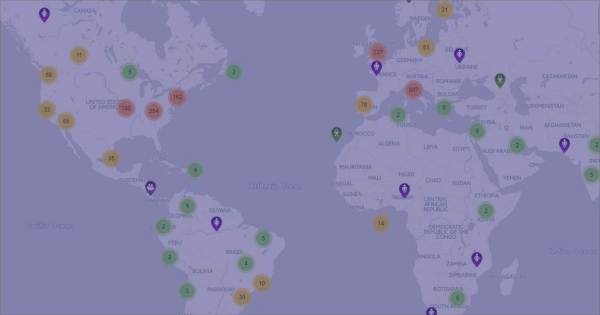
Yes, many people with Polycythemia Vera remain in the workforce for years following their diagnosis. Your ability to work is generally determined by how well your hematocrit levels are controlled and how much fatigue or bone pain you experience. With 118 members in the DiseaseMaps community, we see that many professionals successfully balance their treatment schedules—such as regular phlebotomies or medication—with their career responsibilities.
What workplace accommodations are helpful for Polycythemia Vera?
Workplace accommodations for Polycythemia Vera focus on energy conservation and minimizing physical strain. Useful adjustments often include:
- Flexible scheduling to allow for medical appointments or days with higher fatigue.
- Remote work options to reduce commute stress and manage energy levels.
- Ergonomic office equipment to improve comfort, especially if you experience bone pain or circulation issues.
- Frequent, short breaks to move around, which can help mitigate the risk of blood clots.
How should I communicate with my employer?
You are not required to disclose your specific medical diagnosis unless you are requesting formal accommodations under laws like the Americans with Disabilities Act (ADA). When discussing your needs, focus on the functional limitations—such as a need for a flexible start time—rather than just the label of Polycythemia Vera. Frame your request as a proactive step to ensure you remain as productive and effective as possible in your role.
What kind of work is most suitable?
There is no specific job off-limits for someone with Polycythemia Vera, though roles that allow for autonomy and flexibility are often more sustainable. Positions that do not require prolonged physical exertion or exposure to extreme temperatures are generally easier to manage during flare-ups of Polycythemia Vera symptoms.
Next steps
- Consult your hematologist to create a "work-friendly" treatment schedule.
- Review your local labor laws regarding reasonable workplace accommodations.
- Join the DiseaseMaps.org community to connect with others who have navigated employment while managing Polycythemia Vera.
Medical disclaimer: This content is for informational purposes only and does not constitute professional medical advice, diagnosis, or treatment.
References
- NIH Genetic and Rare Diseases Information Center (GARD): Polycythemia Vera Overview.
- MPN Research Foundation: Resources for living and working with Myeloproliferative Neoplasms.
- Orphanet: Rare disease portal for Polycythemia Vera (ORPHA:732).
- PubMed: Clinical studies on quality of life and work productivity in MPN patients.
Posted Sep 16, 2017 by Patricia 2000