Is there any natural treatment for Sarcoidosis?
Are there natural treatment(s) that may improve the quality of life of people with Sarcoidosis? Here you can see if there is any natural remedy and/or treatment that can help people with Sarcoidosis
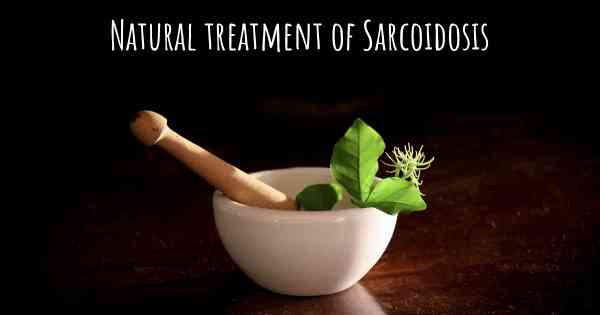
There is currently no scientifically proven natural treatment that can cure or replace conventional medical therapy for Sarcoidosis.
While many patients living with Sarcoidosis seek integrative approaches to manage symptoms like fatigue, joint pain, or inflammation, these must always be viewed as complementary to, not replacements for, prescribed treatments like corticosteroids or immunosuppressants. It is essential to discuss any supplement or practice with your rheumatologist or pulmonologist, as some substances can interfere with medications or worsen the underlying inflammatory process.
Supplements and Herbal Remedies
Patients often explore antioxidants like turmeric (curcumin), Vitamin D, or omega-3 fatty acids. However, caution is vital: because Sarcoidosis can cause abnormal Vitamin D metabolism, leading to high calcium levels (hypercalcemia), uncontrolled Vitamin D supplementation can be dangerous. Clinical evidence for herbal remedies in treating the systemic inflammation of Sarcoidosis remains limited, with most reported benefits being anecdotal rather than supported by large-scale, peer-reviewed clinical trials.
Mind-Body and Lifestyle Practices
Integrative practices such as restorative yoga, mindfulness-based stress reduction (MBSR), and acupuncture are frequently used by the Sarcoidosis community to manage chronic pain and disease-related anxiety. While these practices do not treat the underlying granulomas, they can significantly improve quality of life and help modulate the stress response. Regular, low-impact physical activity, tailored to your lung and cardiac function, is also recommended to combat the severe fatigue often associated with this condition.
Clinical Risks
The primary risk of turning to "natural" alternatives is the potential for delaying or discontinuing necessary conventional therapy, which can lead to permanent organ damage, particularly in the lungs, heart, or eyes. Always consult your medical team before starting any new regimen to ensure it does not interact with your current prescriptions.
Disclaimer: This information is for educational purposes only and does not constitute medical advice, diagnosis, or treatment. Always seek the advice of your physician or other qualified health provider with any questions you may have regarding a medical condition.
References
- NIH Genetic and Rare Diseases Information Center (GARD): Sarcoidosis Overview
- Foundation for Sarcoidosis Research (FSR): Patient Education and Treatment Guidelines
- Orphanet: Rare Disease Database for Sarcoidosis
Posted May 31, 2017 by Salosh 3601
Posted Sep 7, 2017 by Kristie 2000
Posted Sep 11, 2017 by XTIENNA 2000
Posted Oct 26, 2017 by Diane 2735
Posted Oct 27, 2017 by KindredSpirit 2050
But many people are sadly willing to sell you a natural cure that nobody knows exists
Posted Oct 27, 2017 by Wendy 2000
No natural cure has ever been proved
Posted Oct 27, 2017 by Stewart 2000
Posted Oct 28, 2017 by Penny 1200
Posted Dec 17, 2017 by Pretty 300
Posted Jan 11, 2018 by Cathleen 1900
Posted Jul 4, 2018 by msinky 2550
Posted Nov 13, 2018 by Wen 2100
Posted Oct 8, 2019 by Lashawn 2500
Posted Mar 8, 2020 by Elizabeth 4800
Posted Jan 18, 2021 by Althea 4550
Posted Apr 5, 2021 by Robert 9039
Posted Sep 14, 2023 by Emma Johnson 2500