Familial Adenomatous Polyposis (FAP) is classified under the ICD-10-CM code D12.6 (Benign neoplasm of unspecified part of intestine) or more specifically D12.0 when identifying the polyps, while the legacy ICD-9-CM code is 211.3. These codes are essential for medical billing, insurance authorization, and clinical documentation for patients managing this hereditary condition.
Familial Adenomatous Polyposis is a rare, autosomal dominant genetic disorder characterized by the development of hundreds to thousands of adenomatous polyps in the colon and rectum. If left untreated, the risk of these polyps progressing to colorectal cancer approaches 100% by age 40. Understanding the specific diagnostic codes for Familial Adenomatous Polyposis helps ensure patients receive appropriate surveillance, including regular colonoscopies and genetic counseling, which are vital for early detection and management.
Familial Adenomatous Polyposis is caused by a germline mutation in the APC gene. Because it follows an autosomal dominant inheritance pattern, each child of an affected parent has a 50% chance of inheriting the mutation. Genetic testing is the gold standard for confirming a diagnosis of Familial Adenomatous Polyposis in at-risk family members, often allowing for prophylactic interventions before malignancy develops.
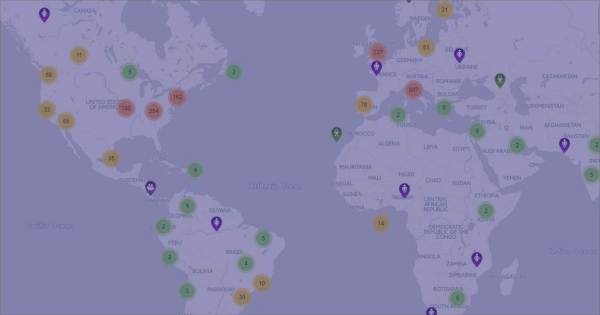
Navigating the healthcare system with Familial Adenomatous Polyposis can be overwhelming. Proper coding (D12.6/211.3) is necessary to ensure that insurance covers frequent endoscopic screenings. Currently, 147 people with Familial Adenomatous Polyposis have joined the DiseaseMaps.org community to share their experiences and support one another. Key facts regarding the management of the condition include:
Medical disclaimer: This information is for educational purposes only and does not replace professional medical advice, diagnosis, or treatment from a qualified healthcare provider.